Introduction
Calvin Leon Graham’s story is nothing short of astonishing. Born into a life of poverty in Texas during the Great Depression, he faced challenges that few children today can truly comprehend. Even more remarkable, however, was his determination to serve in the United States Navy at the tender age of twelve—an age at which most children are still attending elementary school. Yet Calvin, with a resolute spirit and an audacious plan, managed to enlist in World War II, where he would earn accolades for heroism and later endure years of struggle in pursuit of the recognition he deserved. His journey, fraught with peril and shrouded in controversy, exemplifies both the darkest and brightest aspects of wartime: the fervent desire to protect one’s country, and the harsh realities of military bureaucracy.
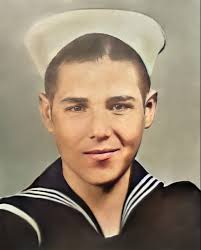
Early Life in Texas
Calvin Leon Graham was born on April 3, 1930, into a family of considerable hardship. Growing up in Canton, Texas (or, by some accounts, Houston), he experienced the Great Depression at its harshest. Money was scarce, meals were modest, and opportunities were nearly nonexistent. Even basic schooling was a privilege, not a guarantee. Surrounded by such adversity, Calvin developed a self-reliant streak early in life, working odd jobs to contribute to the family. His father was no longer present, and his mother struggled to care for multiple children under the strain of dire financial conditions.
From a young age, Calvin nurtured a deep sense of patriotism. He heard news reports of fierce battles unfolding in Europe and the Pacific. Like countless other American youths, he was stirred by the idea of serving his country—though few his age dared to act on this impulse. The limited prospects in his day-to-day life only reinforced his conviction that he needed to do something extraordinary. Such longing for adventure, combined with a genuine devotion to the Allied cause, planted the seeds of a plan that would soon set him on an unprecedented path.
The Audacious Plan to Enlist
World War II erupted in Europe in 1939, but it was not until the Japanese attack on Pearl Harbor in December 1941 that the United States was propelled into active combat. Enlistment offices were suddenly swamped with patriotic men—some barely older than Calvin—who were eager to join the military. Sensing his chance, Calvin came up with a bold scheme to fake his way into the Navy.
He meticulously practiced lowering his voice to sound more mature, and he learned how to lie convincingly about his age. When he finally stood in line with other recruits, the scrawny, wide-eyed boy delivered his rehearsed story. Pressed for official documents, he presented papers with a forged signature—allegedly his mother’s. This paperwork, combined with a cursory physical exam, seemed to satisfy the recruiters who, in the chaos of wartime manpower demands, were perhaps too busy to scrutinize every detail.
With surprising ease, Calvin’s plan succeeded. By 1942, at only twelve years old, he was on his way to basic training. The adrenaline surge of pulling off his ruse was tempered by the realization that he was now heading into real danger. Despite his age, Calvin’s sense of responsibility and personal conviction shone through: he believed that he could make a difference and help secure victory for the United States.
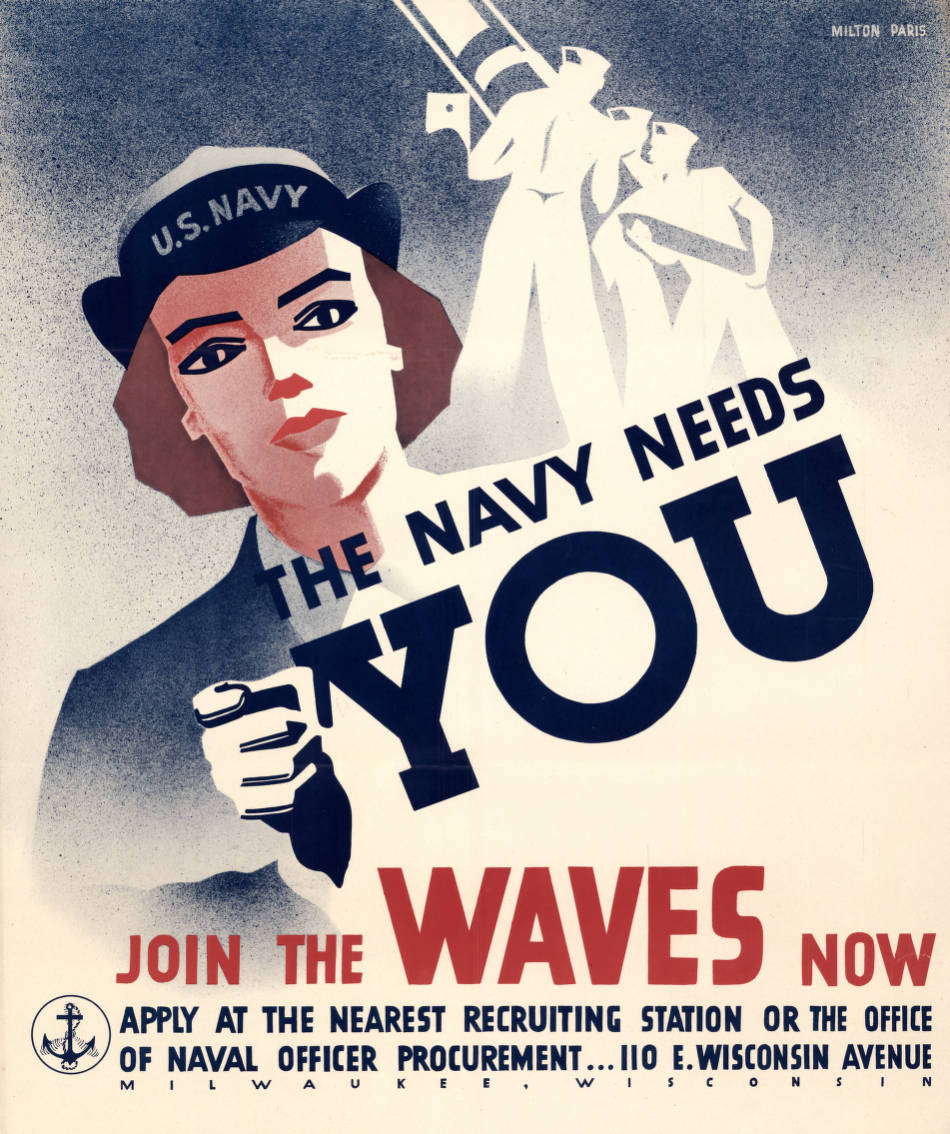
Training and First Impressions
Basic training was no small feat for any recruit, let alone a twelve-year-old. While other enlistees complained about long marches, strict discipline, and grueling physical drills, Calvin tried his best to blend in. He kept his head down, followed orders diligently, and pushed through the exhaustion. The simple fact that he was malnourished and undersized compared to many of his peers made physical tasks even more challenging.
Nevertheless, Calvin possessed an inner resolve that belied his years. He excelled at learning the basics of naval life: knot-tying, gunnery training, and shipboard procedures. He was also known for helping other recruits with tasks and rarely, if ever, complained. Whether out of genuine admiration for this eager “teen” or sheer camaraderie in the face of wartime pressures, Calvin’s fellow recruits rarely questioned his age. If they had any suspicions at all, they kept them to themselves.
By the time he completed basic training, Calvin felt both exhilarated and apprehensive. War, he knew, was no game. But he had made it this far—he had proved to himself that he could endure Navy life and still carry on. Little did he know that his greatest challenges lay not in the training camps but on the open sea.

Life Aboard the USS South Dakota
After completing basic training, Calvin was assigned to the USS South Dakota (BB-57), one of the most modern and formidable battleships of the U.S. Navy at the time. Nicknamed “Battleship X” for its secrecy and legendary exploits, the South Dakota was a floating city of steel, equipped with massive 16-inch guns and a crew of over 1,800 sailors.
Boarding the ship for the first time, Calvin was awestruck by its scale. Towering gun turrets, labyrinthine corridors, and the constant hum of machinery greeted him. Every inch of the vessel seemed alive with purpose. Calvin was assigned various duties, from loading anti-aircraft guns to performing maintenance tasks. For a boy accustomed to modest living conditions, the sheer volume of people and the frantic pace of operations were startling. Yet he adapted quickly, befriending older shipmates who saw potential in this enthusiastic newcomer.
Life at sea was not without hardships: cramped quarters, the ever-present threat of enemy attack, and the punishing tropical heat when the ship was deployed to the Pacific. Calvin, however, reveled in the newfound camaraderie and the sense that, despite his youth, he was part of something momentous. He felt a measure of pride every time he stood at his post, scanning the horizon for enemy aircraft or assisting in readiness drills.
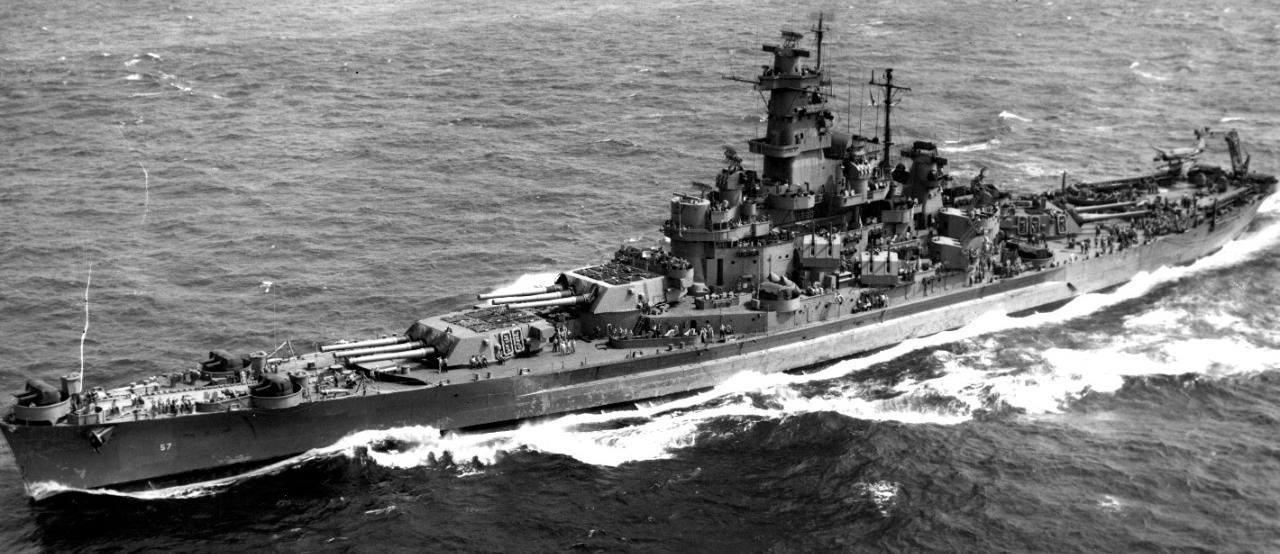
The Naval Battle of Guadalcanal
In the fall of 1942, the USS South Dakota was sent to the Pacific Theater, where the struggle for control over strategic islands was a bloody and fierce campaign. The ship took part in the Naval Battle of Guadalcanal, one of the fiercest clashes in that entire conflict. Under a moonless sky and relentless Japanese fire, Calvin faced the harrowing reality of war for the first time.
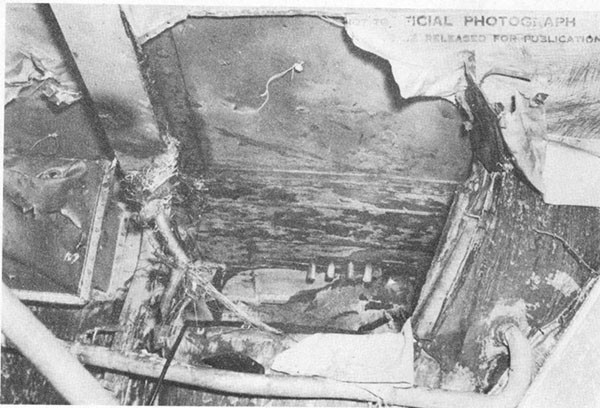
As shells whistled overhead and the thunderous roar of heavy artillery reverberated through the battleship’s steel hull, Calvin manned an anti-aircraft station along with older crew members. When the first salvo hit, it blasted the deck with shrapnel, injuring many sailors in an instant. Calvin himself was struck in the jaw and mouth, blood pouring from the wound as explosions shook the entire vessel. Despite this personal injury, he sprang into action, ignoring his pain to help his fellow sailors. He carried the wounded to safer areas, gathered life jackets, and even returned to reload the guns when needed.
His courage that night drew the admiration of seasoned veterans who could scarcely believe a “teenager” was risking his life so selflessly. By the end of the battle, the South Dakota was battered but survived. Calvin’s valor would ultimately earn him the Bronze Star and the Purple Heart—awards that would later be steeped in controversy due to his deception regarding his age.
The Discovery of His Real Age
News of the USS South Dakota’s engagement spread quickly, and tales of heroic deeds emerged. Calvin, in an almost naïve burst of pride, wrote a letter to his family describing his actions. This correspondence, however, inadvertently exposed his secret. When Calvin’s mother read the letter, she was horrified to learn that her twelve-year-old was not only fighting in the Pacific but was already wounded.
Desperate for answers, Calvin’s mother contacted the authorities, who moved swiftly once they understood what had transpired. Military officials were stunned. A child had slipped through the cracks in their recruitment system and found himself in the midst of some of the war’s most brutal battles. The consequences of this revelation were swift and harsh. Calvin, once hailed as a hero among his crewmates, was now under scrutiny by a Navy that felt embarrassed by the oversight and outraged by the deception.
Imprisonment and Dishonorable Discharge
The Navy wasted no time in handling Calvin’s case. He was removed from active duty and placed under arrest on charges of falsifying his enlistment papers. In a twist of fate crueler than any battlefield wound, Calvin, the wounded young hero, found himself languishing in the brig. The conditions were harsh—he spent weeks and then months confined, all while enduring the residual pain from his shrapnel injuries.
Stripped of his accolades, including the Bronze Star and Purple Heart, he was handed a dishonorable discharge for fraudulent enlistment. The Navy justified these actions by citing regulations: a minor who enlisted under false pretenses violated the Uniform Code of Military Justice. Yet a chorus of public outrage arose when newspapers began publishing details of the story. Americans who had once cheered for brave sailors found themselves appalled that a wounded boy could be treated this way.
Amid growing public pressure, Calvin’s family and advocacy groups petitioned for his release, arguing that he should be treated as a child who had made a mistake—albeit one fueled by patriotic fervor. Eventually, their voices prevailed, and the Navy let him go. Weak from imprisonment and still bearing his wartime scars, Calvin returned to Texas, where his biggest challenge would be returning to a semblance of normal childhood, including a return to the sixth grade.
Photo 8: [Military Brig Interior, 1940s]
Alt Text: A dimly lit corridor lined with metal-barred cells, evoking the bleak environment where Calvin was held.
Struggle for Recognition and Restoration
For years after his discharge, Calvin Graham’s life was marked by quiet battles. He had given so much in service—risking his life in combat and suffering serious injury—yet he had been stripped of the very medals that recognized those sacrifices. Worse still, he was denied veteran benefits crucial for medical care. With little formal education and ongoing health issues from his wartime wounds, Calvin faced hurdles at every turn.
He reached out to government officials, wrote letters, and sought legal counsel to plead for an honorable discharge and the restoration of his medals. Decades passed before the tide finally began to turn in his favor. In the late 1970s, after a resurgence of interest in his story by the media, Calvin’s appeals garnered sympathy. Slowly, the Navy began to reverse its stance. He was granted an honorable discharge, a partial reinstatement of benefits, and the return of some of the awards he had so valiantly earned.
Still, it wasn’t a straightforward path. Bureaucratic red tape and the lingering shame on the part of certain officials meant that Calvin never received the full scope of acknowledgment or financial support he deserved. Nonetheless, the partial restoration signified a moral victory. It validated, at least in part, the sacrifice he had made as that courageous twelve-year-old who braved Japanese shells on the deck of the USS South Dakota.

Final Reflections on an Extraordinary Life
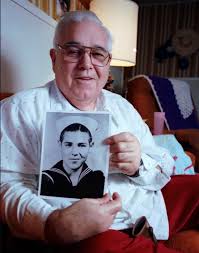
Calvin Graham passed away on November 6, 1992, at the age of 62, leaving behind a story so extraordinary that it remains part of the fabric of World War II lore. He was, in many respects, a product of his time: a child shaped by poverty, hardened by the Great Depression, and compelled by a burning sense of patriotic duty. Yet even in the modern age, his tale resonates, illustrating how courage can emerge from the most unlikely sources.
In the years before his death, Calvin had come to accept both the injustices he experienced and the symbolic vindication of having some of his honors restored. Though he never gained total recompense for the battles he fought—both on and off the battlefield—his narrative continues to move those who learn of it. He stands as a testament to the American spirit, a reminder that heroism can be found in unexpected corners, and proof that one determined individual, no matter how young, can leave a mark on history.
Through all the adversity, the indignity of imprisonment, and the protracted fight for recognition, Calvin Graham remains a shining emblem of resilience. His story endures in books, television documentaries, and the annals of World War II records. When people reflect on the lengths some individuals will go to defend their homeland, many think of grown men braced by years of training and life experience. Calvin Graham’s story challenges that assumption, reminding us that sometimes bravery emerges in ways—and at ages—we least expect.

 Rewriting Reality