In the heart of Berlin, under the imposing gaze of Adolf Hitler and his Nazi regime, a young African American athlete named Jesse Owens stepped onto the world stage in 1936 and redefined what it meant to be a champion. His journey wasn’t just about athletic dominance—it was a moment of defiance, a testament to the resilience of the human spirit, and a powerful statement against prejudice.
Let’s take a walk through the gripping story of how Owens won his four gold medals, leaving an indelible mark on history, sport, and society.
Setting the Scene: Berlin, 1936
Picture this: The Berlin Olympic Stadium, a massive, meticulously constructed arena, buzzing with excitement. It’s a spectacle designed by the Nazi regime to showcase their ideology of Aryan superiority. Hitler himself is in attendance, eager to see German athletes dominate the competition.
Now imagine Jesse Owens, a 22-year-old son of an Alabama sharecropper and grandson of enslaved people, walking into this politically charged atmosphere. The odds seemed stacked against him—not just because of his competitors, but because of the unrelenting racial discrimination he faced both abroad and at home.

The First Gold: 100 Meters of Pure Speed
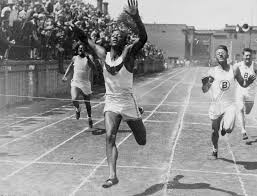
The 100-meter dash is often described as the ultimate test of speed. On August 3, Owens lined up against the fastest men in the world. The crowd was electric, and so was Owens.
The gun fired, and Owens exploded off the blocks, his strides smooth and powerful. He crossed the finish line in 10.3 seconds, tying the world record. The German crowd couldn’t help but cheer—his performance was too extraordinary to ignore.
This was his first gold medal. But Owens wasn’t done. He was just getting started.
The Second Gold: Long Jump Drama
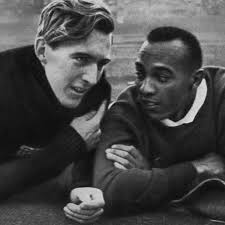
The long jump event on August 4 is the stuff of legends, not just for Owens’ performance but for the camaraderie he shared with his competitor, German athlete Luz Long.
Owens was struggling during the qualifying rounds. He fouled his first two jumps and was on the verge of elimination. That’s when Luz Long, the German favorite and a model of Aryan athleticism, approached him with a tip: mark your jump a few inches before the takeoff board to ensure a clean attempt. Owens heeded the advice, qualified, and ultimately soared to a gold-medal-winning jump of 8.06 meters—a new Olympic record.
What’s even more remarkable? Long was the first to congratulate Owens, walking arm-in-arm with him in front of the hostile Nazi regime. Their sportsmanship defied the divisive rhetoric of the time.
The Third Gold: Mastering the 200 Meters
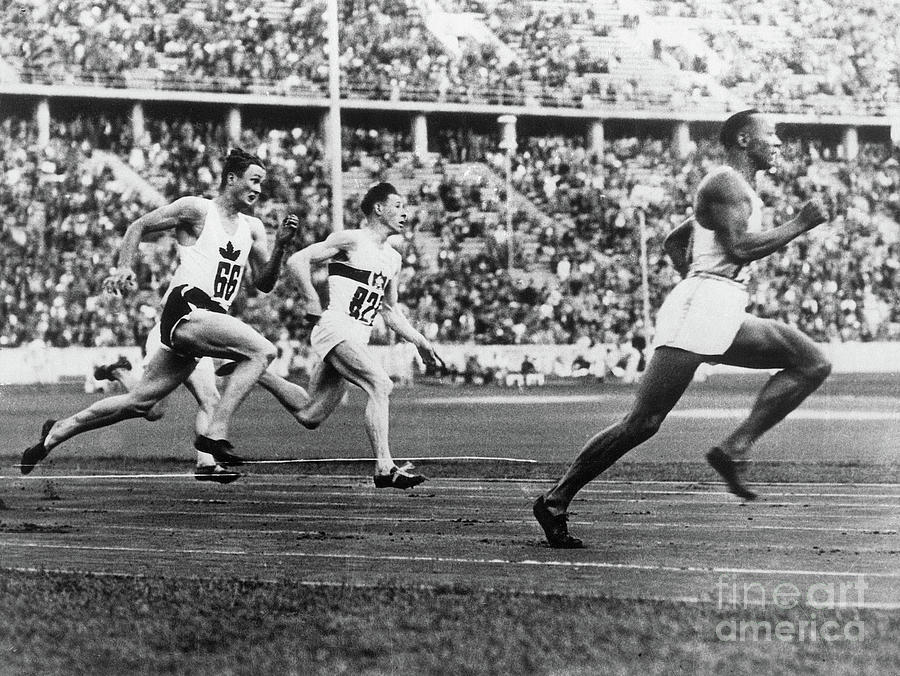
By now, Owens was the talk of the Games. On August 5, he lined up for the 200-meter race, a grueling sprint that tested both speed and stamina.
Owens didn’t just win; he dominated, crossing the finish line in 20.7 seconds and setting a new Olympic and world record. His fluid motion and sheer power made the race look effortless. The crowd, regardless of their beliefs, erupted in applause. Owens was proving that greatness transcends ideology.
The Fourth Gold: Unexpected Glory in the 4×100 Relay
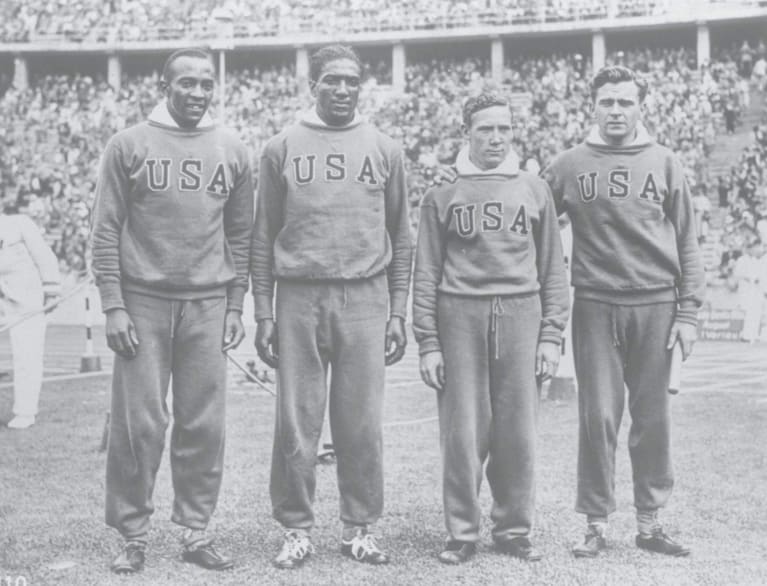
The final chapter of Owens’ Olympic journey came on August 9, during the 4×100 meter relay. Interestingly, Owens hadn’t been slated to compete in this event. At the last moment, U.S. coaches decided to replace two Jewish-American athletes, Marty Glickman and Sam Stoller, with Owens and Ralph Metcalfe, another African American sprinter.
Owens ran the first leg of the relay, setting the pace for his team. The Americans shattered the world record, finishing in 39.8 seconds. It was a fitting end to Owens’ historic Olympic run—a victory that showcased both his versatility and his unrelenting drive.
The Aftermath: A Legacy of Defiance and Inspiration
Jesse Owens left Berlin with four gold medals, having dismantled the Nazi myth of Aryan supremacy on their home turf. But his victories didn’t just resonate in 1936—they continue to inspire generations.
Back in the United States, however, Owens faced a bittersweet reality. Despite his Olympic glory, he returned to a country still deeply entrenched in racial segregation. He was celebrated in public but denied basic rights, like being able to stay at the same hotels as his white teammates or attend banquets in his honor through the front door.
Still, Owens’ achievements paved the way for athletes of all backgrounds to pursue their dreams. His story is one of courage, determination, and the enduring power of sport to break barriers.
:max_bytes(150000):strip_icc()/GettyImages-56928280-cec191908c9d483bb2d5386936b59c48.jpg)
The Man Behind the Medals
What made Owens’ story even more remarkable was his humility. In interviews, he often downplayed his rivalry with Hitler, focusing instead on the joy of competition and the friendships he formed, like the one with Luz Long.
Owens later said, “I wasn’t invited to shake hands with Hitler, but I wasn’t invited to the White House to shake hands with the President either.” This simple statement highlights the dual battles he fought—against the prejudices of Nazi Germany and the systemic racism of his homeland.

Why Jesse Owens Still Matters
Jesse Owens’ triumph at the 1936 Olympics wasn’t just about gold medals. It was a story of resilience in the face of adversity, of standing tall in an arena that sought to diminish him. His performance was a quiet yet powerful rebuttal to the hate-fueled propaganda of the Nazi regime and a poignant reminder of the universal human pursuit of excellence.
Owens showed the world that greatness isn’t defined by race, nationality, or ideology—it’s defined by the heart, discipline, and spirit of the individual. In doing so, he became a symbol of hope and equality, proving that no matter the odds, extraordinary things are possible.

 Rewriting Reality
Leave a comment